
Low-pressure roof care for Northeast Florida
Roof Cleaning Jacksonville FL
A roof-cleaning plan should remove treatable organic discoloration without treating shingles, tile, metal, flashing, vents, gutters, and painted components like ordinary concrete. We start with the roofing material, visible condition, access, runoff, and current water-use rules.
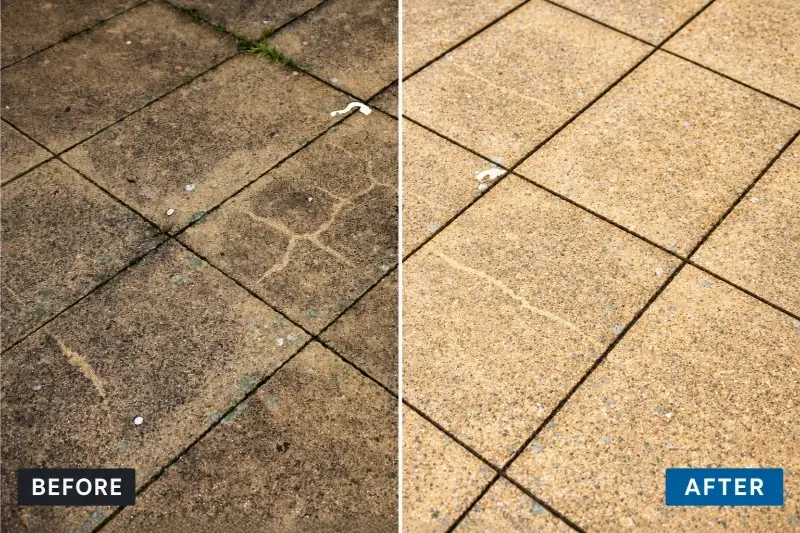
Start with the roof, not the stain color A complete exterior assessment may also involve house washing, gutter cleaning or solar panel cleaning, depending on what is present around the roofline.
What is professional roof cleaning?
Roof cleaning is the controlled treatment of suitable roofing surfaces to reduce organic growth, dark streaking, debris film, and other removable buildup. In Jacksonville, black roof streaks are often associated with moisture-tolerant organisms such as Gloeocapsa magma, but a photograph alone does not establish the exact organism or guarantee a result.
Asphalt shingles, concrete or clay tile, standing-seam metal, coated metal, and specialty roofing systems have different manufacturer instructions and failure points. Age, granule loss, broken tile, oxidation, loose flashing, prior coatings, active leaks, solar equipment, skylights, and roof pitch all influence whether cleaning is appropriate.
What we look for before quoting
- Roof material, age, pitch, and accessible elevations
- Cracked, slipped, loose, or missing components
- Granule loss, oxidation, chalking, or coating failure
- Skylights, solar panels, vents, gutters, and flashing
- Tree canopy, leaf litter, shade, and recurring moisture
- Downspout locations, landscaping, pools, and drains
- Safe equipment setup and property access
- Manufacturer or warranty restrictions supplied by the owner
Different roofs need different decisions
How roof materials change the cleaning method
| Roof surface | Typical concern | Assessment priority |
|---|---|---|
| Asphalt shingles | Black streaks, moss-like growth, granule wear | Low-pressure compatibility, shingle condition, manufacturer guidance |
| Concrete or clay tile | Organic growth, broken tiles, porous surfaces | Cracks, movement, access, glaze or coating condition |
| Metal roofing | Film, oxidation, coating wear, runoff | Finish condition, fasteners, corrosion, safe access |
| Flat or low-slope systems | Ponding, membrane vulnerability, drainage | Membrane type, seams, warranty, drainage path |
| Previously coated roof | Chalking, peeling, color variation | Coating identity, adhesion, test area, owner expectations |
Cleaning cannot repair leaks, failed underlayment, cracked tile, loose flashing, corrosion, worn shingles, structural problems, or a failing coating.
Our roof cleaning process
How we plan roof cleaning in Jacksonville
Review the property
We gather the address, roof type, approximate age, photos, leak history, access information, and areas of concern.
Inspect visible conditions
Roof edges, drainage, delicate components, landscaping, pools, neighboring property, and visible deterioration are considered.
Define the scope
The estimate identifies included roof sections, treatment approach, preparation, exclusions, and stains or damage that may remain.
Prepare surrounding areas
Downspouts, plants, exterior fixtures, doors, windows, pets, and people are addressed before treatment begins.
Apply controlled treatment
Application and dwell time are matched to the material and conditions. Unnecessary walking and aggressive pressure are avoided.
Rinse or allow dwell
The finishing approach depends on the approved method, roofing material, weather, runoff plan, and treatment instructions.
Review the work
Accessible areas are checked, remaining permanent conditions are documented, and property cleanup is completed.
Discuss future care
Maintenance guidance is based on shade, tree cover, roof condition, and exposure rather than a universal calendar.
Jacksonville roof exposure
Why roof streaks return at different rates
Jacksonville’s warm climate, summer rainfall, humidity, oak canopy, and long periods of shade can keep some roof sections damp longer. North-facing slopes and areas beneath overhanging trees often change before open sunny elevations. Homes near the Intracoastal and Beaches may also collect salt film and windblown material.
Riverside, Avondale, San Marco, Mandarin, Arlington, Southside, Northside, and Westside properties do not share one exposure pattern. Roof pitch, ventilation, nearby trees, drainage, and building orientation matter more than a neighborhood label.
Current water-use notice
The St. Johns River Water Management District currently lists Phase III Extreme Water Shortage restrictions affecting portions of Duval County, including added restrictions related to pressure washing. The property location and current official order must be checked before scheduling water-dependent roof work.
Reviewed September 12, 2026. Restrictions can change.
Realistic expectations
What roof cleaning cannot promise
An instant uniform color
Older material, repairs, sun exposure, oxidation, and deeply established growth can leave variation after treatment.
A roof repair
Cleaning does not stop leaks, replace damaged shingles or tile, reseal flashing, or correct poor drainage.
A universal lifespan
Tree cover, shade, material, weather, and roof condition determine how quickly visible buildup returns.
Roof cleaning questions
Roof cleaning Jacksonville FAQs
Is it safe to pressure wash an asphalt shingle roof?
Aggressive high pressure can damage shingles and remove granules. A condition-led, lower-pressure treatment is generally considered, subject to the roofing manufacturer’s instructions and visible roof condition.
Will roof cleaning remove every black streak?
Many organic streaks can improve, but material wear, oxidation, repairs, rust, and permanent discoloration may remain. Results should be discussed after assessment.
Do you have to walk on the roof?
Not every roof or method requires the same access. Pitch, material, fragility, height, and equipment placement determine the safe plan. Some roofs may not be suitable for foot traffic.
Can cracked tile be cleaned?
Damaged or loose tile should be identified before work. Cleaning cannot repair it, and fragile sections may need to be excluded until a roofing professional addresses them.
Will treatment affect plants?
Landscaping, downspouts, wind, application control, and rinsing are part of preparation. Tell us about rare, new, stressed, edible, or especially sensitive plants.
Are gutters included?
Roof treatment, debris removal inside gutters, gutter-face cleaning, and gutter brightening are separate scopes unless the written estimate includes them.
Can you clean around solar panels?
Solar equipment changes access and runoff. Roof cleaning does not automatically include panel cleaning, electrical work, or removal of equipment.
How much does roof cleaning cost in Jacksonville?
Price depends on roof area, pitch, height, material, condition, access, landscaping, gutters, treatment needs, and current restrictions. Photos and the address support a useful estimate.
How often should a Jacksonville roof be cleaned?
Use visible condition and material guidance rather than an arbitrary schedule. Shade, trees, moisture, roof orientation, and coastal exposure influence recurrence.
Does roof cleaning affect a warranty?
Owners should review the roofing manufacturer and installer requirements before authorizing cleaning. Share relevant documents so the proposed method can be compared with them.
Request a roof assessment
Tell us the roof type, age, and visible condition
Include the property address, known material, approximate age, stories, leak or repair history, nearby trees, solar equipment, and any photos you can share during follow-up.